100+ Nutrition Facts About 25 Well-Known Foods
Some foods naturally contain disease-fighting, health promoting properties, while others contain elements that may hinder your health goals. Find out information that may surprise you with these helpful food facts.
| Asparagus |
Celery |
Fennel |
Mustard Greens |
Pumpkin Seeds |
| Avocado |
Cilantro |
Green Beans |
Onions |
Radishes |
| Bananas |
Chicory |
Jicama |
Parsley |
Sweet Potato |
| Beet Greens/Root |
Chinese Cabbage |
Kale |
Peanut Butter |
Tomatoes |
| Broccoli |
Dandelion Green |
Kohlrabi |
Peanuts |
Zucchini |
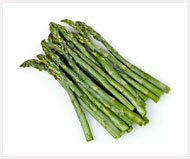
Asparagus
- Asparagus is high in glutathione, an important anticarcinogen
- It also contains rutin, which protects small blood vessels from rupturing and may protect against radiation
- Asparagus is a good source of vitamins A, C and E, B-complex vitamins, potassium and zinc
Back to Top
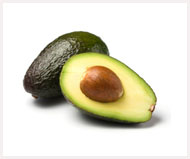
Avocado
- Avocados are rich in monounsaturated fat, which is easily burned for energy.
- An avocado has more than twice as much potassium as a banana.
- For a delicious, creamy salad dressing, mix together avocado and fresh carrot juice.
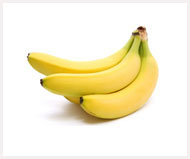
Bananas
- You don’t need to eat bananas
for the potassium! (Although it is present in bananas, potassium is the predominant nutrient among most all fruits and vegetables.)
- Bananas are high in sugar,
so they should not be eaten if you have blood sugar problems.
- Don’t eat bananas on an empty stomach; combining them with a bit of protein will help to normalize the insulin response caused by the sugar in the banana.
- Green-tipped bananas are better for your health than over-ripe bananas.
- On a side note: Because bananas are so popular, rainforests are often destroyed to make way for banana plantations.
Beet Greens/Root
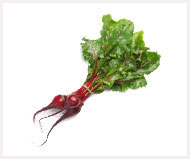
- Beet greens contain notable amounts of calcium, iron, magnesium and phosphorus
- They also contain vitamins A, B-complex and C
- Beet roots are high in carbohydrate levels and should therefore be used sparingly
Back to Top
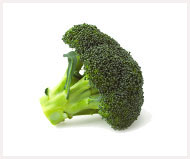
Broccoli
- Broccoli contains twice the vitamin C of an orange
- It has almost as much calcium as whole milk--and the calcium is better absorbed
- It contains selenium, a mineral that has been found to have anti-cancer and anti-viral properties
- Broccoli is a modest source of vitamin A and alpha-tocopherol vitamin E
- It also has antioxidant properties
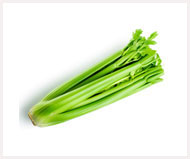
Celery
- Celery is the best vegetable source of naturally occurring sodium.
- It is high in potassium.
- The high water content in celery makes it ideal for vegetable juicing.
- As an easy way to reduce grains in your diet, spread peanut butter on celery rather than bread.
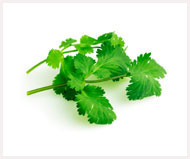
Cilantro
- Cilantro may be useful to treat urinary tract infections
- Both the leaves and seeds aid digestion, relieve intestinal gas, pain and distention
- They also treat nausea, soothe inflammation, rheumatic pain, headaches, coughs and mental stress
- Cilantro is a member of the carrot family
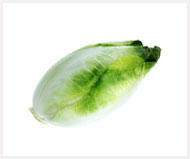
Chicory
- Chicory contains inulin, which helps diabetics regulate their blood sugar levels
- Chicory is closely related to lettuce and dandelion but is a member of the sunflower family
- It may be cleansing to the liver and gallbladder
- Chicory is beneficial for digestion, the circulatory system and the blood
- Chicory leaves are a good source of calcium, vitamin A and potassium
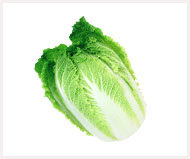
Chinese Cabbage
- Chinese cabbage has anti-inflammatory properties
- It is an excellent source of folic acid
- Chinese cabbage is low in calories and low in sodium
- It is also high in vitamin A and a good source of potassium
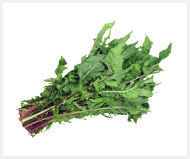
Dandelion Greens
- Dandelion is beneficial to digestion and is an antiviral that may be useful in the treatment of AIDS and herpes
- It may also be useful in treating jaundice, cirrhosis, edema due to high blood pressure, gout, eczema and acne
- Dandelion is also used to treat and prevent breast and lung tumors and premenstrual bloating
- Dandelion greens are high in vitamin A in the form of antioxidant carotenoid and vitamin C
- They also contain calcium and potassium
- Dandelion root contains inulin, which lowers blood sugar in diabetics
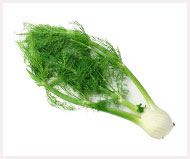
Fennel
- Fennel contains the antioxidant flavonoid quercetin
- This herb is anticarcinogenic and can be useful for cancer patients undergoing chemotherapy or radiation
- Fennel can be useful for indigestion and spasms of the digestive tract
- It also helps expel phlegm from the lungs
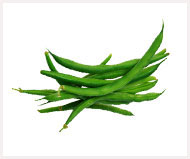
Green Beans
- Fresh beans contain vitamin A, B-complex vitamins, calcium and potassium
- Green beans are diuretic and may be used to treat diabetes
- A fresh bean should snap crisply and feels velvety to the touch
Jicama
- Jicama is low in sodium and high in potassium
- It has a slightly sweet flesh that's on the order of water chestnuts, but crunchier
- Due to their high carbohydrate content, they should be used sparingly
Back to Top
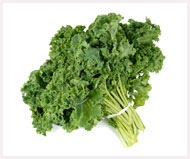
Kale
- Kale eases lung congestion and is beneficial to the stomach, liver and immune system
- It contains lutein and zeaxanthin, which protect the eyes from macular degeneration
- It also contains indole-3-carbinol, which may protect against colon cancer
- Kale is an excellent source of calcium, iron, vitamins A and C, and chlorophyll
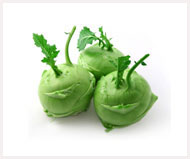
Kohlrabi
- Kohlrabi, which belongs to the cabbage family, is an excellent source of vitamin C and potassium
- It is also high in fiber
- Kohlrabi helps to stabilize blood sugar and is therefore useful hypoglycemia and diabetes
- It can also be effective against edema, candida and viral conditions
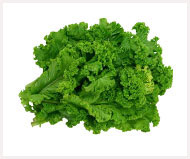
Mustard Greens
- Mustard greens are an excellent anticancer vegetable
- They may also be beneficial for colds, arthritis or depression
- While mustard greens sold in the United States are relatively mild in flavor, some mustard green varieties, especially those in Asia, can be as hot as a jalapeno pepper depending on their mustard oil content
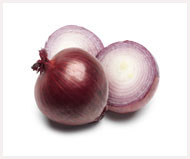
Onions
- Onions are an excellent antioxidant, and they contain anti-allergy, antiviral and antihistamine properties.
- Sulfur compounds in onions help to detoxify the body.
- Onions aid in cellular repair.
- Onions are a rich source of quercetin, a potent antioxidant.
- To obtain the maximum nutritional benefits, onions should be eaten raw or lightly steamed
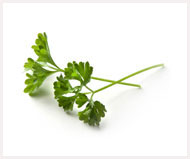
Parsley
- Parsley is useful as a digestive aid
- It helps to purify the blood and stimulate the bowels
- Parsley is an anticarcinogen
- It contains three times as much vitamin C as oranges, and twice as much iron as spinach
- Parsley contains vitamin A and is a good source of copper and manganese
- For a natural breath freshener, try a sprig of parsley
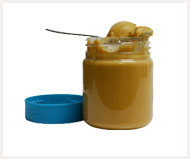
Peanut Butter
- When buying peanut butter, only buy organic varieties.
- Non-organic peanut butters are high in pesticides and fungus and contain aflatoxin, a potent carcinogenic mold.
- To increase the protein in peanut butter (peanuts have about the same amount of protein as soy), Brewer’s yeast can be mixed in. This is especially useful for vegetarian
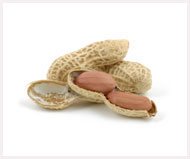
Peanuts
- Peanuts contain beneficial protein, but many people are allergic to them and find them hard to digest.
- They also contain aflatoxin, a carcinogenic, which may explain why peanut farmers have been found
to have disproportionately high rates of cancer.
- Peanuts are high in fungus and, often, pesticides.
They do not contain any omega-3, which can contribute to distorting your omega-6:omega-3 ratio.
- The peanut is actually a legume, not a nut (which is why they are often roasted).
- Peanuts contain about the same amount of protein as soy and are low in starchy carbohydrates.
- Did you know? George Washington Carver was largely responsible for popularizing the peanut as a food in America.
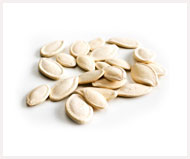
Pumpkin Seeds
- Pumpkin seeds are high in zinc, which is good for the prostate and building the immune system.
- They also contain fatty acids that kill parasites.
- Raw pumpkin seeds contain essential fatty acids and beneficial proteins.
- For maximum nutritional benefits, seeds should be eaten raw.
- Roasted seeds contain damaged fat that can lead to plaque in the arteries
Radishes
- Radishes have antibacterial and anti-fungal properties
- They are a member of the cabbage family
- Radishes contain vitamin C, potassium and other trace minerals
- Grown in Egypt since at least 2780 B.C., radishes were originally black
Back to Top
Sweet Potato
- Sweet potatoes are an excellent source of carotenoid antioxidants
- They contain calcium, are high in vitamins A and C and contain thiamine
- Be careful: eating too many may cause abdominal swelling and indigestion
- Sweet potatoes are also high in sugar and therefore should be used sparingly
- Sweet potatoes are not related to the potato nor the yam--they are actually a member of the morning glory family
Back to Top
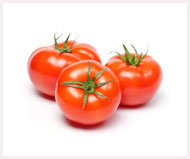
Tomatoes
- Tomatoes are rich in lycopene, flavonoids and other phytochemicals with anticarcinogenic properties
- Tomatoes are an excellent source of vitamin C (the vitamin C is most concentrated in the
jelly-like substance that surrounds the seeds)
- They also contain vitamin A and B-complex vitamins, potassium and phosphorus
- A tomato grown in a hothouse has half the vitamin C content as a vine-ripened tomato
Zucchini (Summer Squash)
- Zucchini and other summer squash varieties contain vitamins A and C
- They also contain potassium and calcium
- The flavor of zucchini is best when it is less than six inches long
- Zucchinis can grow as large as baseball bats but have little flavor when they reach this size
Back to Top