Cranberries
Botanical name: Vaccinium macrocarpon
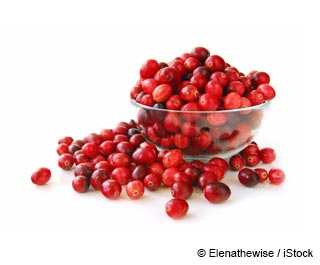
Known for their juicy tartness and vibrant red hue, cranberries can make for a great snack or addition to trail mix, and are ever-present in traditional Thanksgiving feasts next to the turkey roast. They’re often associated with the holidays, and for good reason: This fruit’s short harvest season is between September and October, just in time for holiday cooking.1
Native to the U.S., cranberries were regularly consumed by Native Americans and used as a food preservative, a poultice for wounds and as a dye for rugs, blankets and other fabrics.2
European settlers learned how to use cranberries from Native Americans and eventually found that they could be a valuable bartering tool. American seafarers even carried cranberries onboard for their ability to fight against scurvy.3
Fresh cranberries have a shelf life of up to two months when stored in a tightly sealed container in the refrigerator. But if you want your cranberries to keep longer, it’s advisable to freeze them instead.
First, wash the berries, then spread them out to dry in a single layer on a baking sheet. Place the frozen cranberries in an airtight container after a couple hours, then place them in the freezer. You can store these for up to a year.4
When buying juice, sauce and other cranberry products from the supermarket, make sure that they’re made from 100% organic cranberry and not loaded with added sugar, artificial flavoring or preservatives.
Because cranberries contain oxalate5,6 and can also enhance the anticoagulant capacity of certain medications,7 individuals with kidney stones and those on blood-thinning medications like warfarin should limit their intake of this fruit.8,9 Remember to consume cranberries in moderation because they contain fructose,10 which can be harmful to your health in excessive amounts.
Health Benefits of Cranberries
Cranberries, and their juice in particular, are known for their potential in managing urinary tract infections (UTIs) by keeping bacteria from attaching to the bladder and urethra.11 This same mechanism also accounts for this fruit’s ability to help lower the risk for dental caries and disease. According to a study in the Journal of the Canadian Dental Association, cranberry polyphenols may interfere with the adhesion of the Porphyromonas gingivalis bacteria, which is “the primary etiologic agent in chronic periodontitis.”12
Cranberries also contain phytonutrients with antioxidant properties, including oligomeric proanthocyanidins, anthocyanin flavonoids (which give them their bright red color13), cyanidin, peonidin and quercetin.14 A study published in Nutrition Reviews also found that these bioactive compounds may help reduce the risk for cardiovascular disease by inhibiting LDL cholesterol oxidation and platelet aggregation, lowering blood pressure levels and fighting inflammation.15
Cranberries contain high amounts of fiber,16 which may help normalize bowel movement, promote healthy bowel function, lower blood sugar and blood pressure levels, and maintain a healthy weight.17 Plus, they’re a good source of manganese and vitamin A, E and C.18 Check out the table below learn more about the nutritional values of cranberries.19
Cranberries Nutrition Facts
Serving Size: 3.5 ounces (100 grams), raw
| Calories |
46 |
|
| Total Fat |
0.13 g |
|
| Saturated Fat |
0.008 g |
|
| Trans Fat |
|
|
| Cholesterol |
0 mg |
|
| Sodium |
2 mg |
|
| Total Carbohydrates |
11.97 g |
|
| Dietary Fiber |
3.6 g |
|
| Sugar |
4.27 g |
|
| Protein |
0.46 g |
|
| Calcium 8 mg |
Iron |
0.23 mg |
Studies Done on Cranberries
Studies have demonstrated the range of potential health benefits provided by cranberries. For instance, one study published in the Journal of the Science of Food and Agriculture found that cranberries may help lower the risk for cancer by inducing apoptosis and inhibiting the growth and proliferation of tumor cells.20
A review published in Molecular Nutrition and Food Research also supported the chemopreventive properties of cranberries, highlighting their ability to help inhibit the growth and spread of several types of tumors, including those in the breast, colon, prostate and lungs, possibly due to the flavonols and anthocyanin glycosides in these fruits.21
Regarding the use of cranberry extract on lower urinary tract infections, one study published in Clinics suggests that “daily dosages of 240 to 300 milliliters (8 to 10 fluid ounces) of cranberry juice cocktail can prevent 50% of the recurrences of UTIs and can reduce bacteriuria.”22
Cranberry Healthy Recipes:
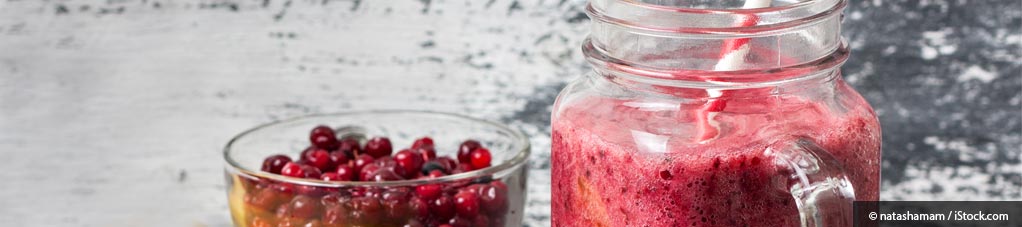
Festive Fermented Cranberries Recipe
|
Ingredients:
|
|
✓ 1 12-ounce bag fresh whole organic cranberries (not frozen)
|
✓ Juice from 1 organic orange
|
✓ 1 small thumb fresh ginger, minced (1 to 2 teaspoons)
|
✓ 1/2 cup freshly juiced celery
|
|
✓ 1 organic Granny Smith apple, juiced
|
✓ 1/4 packet Dr. Mercola's Kinetic culture starter (optional)
|
✓ 1 cinnamon stick
|
✓ 1 whole clove
|
|
✓ 2 teaspoons monk fruit
|
✓ 1/2 cup filtered water
|
✓ 1 tablespoon Dr. Mercola's raw honey (optional)
|
|
Procedure:
- Place whole cranberries in the food processor and pulse three to five times until most berries pop. Transfer the processed cranberries in a Mason jar.
- Combine celery brine with culture starter and mix.
- Combine juiced apple and monk fruit and mix.
- Add celery brine, apple juice, cinnamon stick, cloves and minced ginger in the jar with the cranberries.
- Place small strainer over jar and juice the orange by hand. Remove strainer, and then add honey if you’re adding it.
- Fill the jar with filtered water, leaving about a 1- to 2-inch space from the top.
- Screw on the lid and then shake well, incorporating everything.
- Unscrew lid, and place a cabbage leaf and a small glass on top to weigh down berries. The goal is to have the berries completely submerged in the liquid.
- Screw on Dr. Mercola lid and store in a dark place for four to seven days. Do not screw the lid tightly — you’ll want to keep it loose so the gas can escape the jar.
Tip: If you add 1 tablespoon of brine from another fermented food, it may help speed up the process.
(Recipe from Mercola.com)
Cranberry Fun Facts
Cranberries shipped from the U.S. helped expand the familiarity of the fruit throughout Europe. During the 18th or 19th century, a shipwreck resulted in crates of cranberries washing up on the shore of Terschelling Island, Netherlands. These cranberries took root, finding the sand a perfect habitat. Cranberries have been cultivated there ever since.23
Summary
Cranberries are known for their tart flavour that complements various dishes. They’re available for harvest starting from September until the end of October,24 making them a staple in traditional Thanksgiving spreads. But in the end, each little red berry is worth its weight in nutritional attributes that can benefit nearly every area of the body. Studies support this fruit’s ability to help reduce the risk for heart disease,25 UTI26 and cancer.27 It also contains many vitamins, minerals, antioxidants and phytonutrients, such as anthocyanin, cyanidin, peonidin and quercetin.28