Rejuvenating Raw Honey
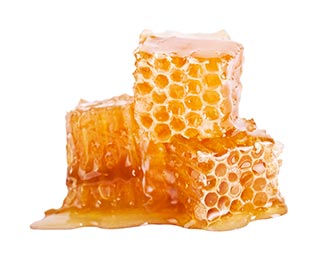
Throughout history, humans have utilized sticky and sweet honey, with the earliest record of keeping beehives being traced back to 2,400 B.C., in a temple near Cairo, Egypt. The Egyptians relied on honey as a sweetener and as an ingredient in honey cakes that were offered to the gods and even as embalming fluid.1
The widespread use of honey continued with the Greeks and the Romans, and tradition after tradition allowed our generation to use honey for foods, cosmetics and even medicine.2,3,4 Take some time to read this page and learn what raw honey is, how it can greatly enhance your health and the qualities you should look for when buying honey.
Raw Honey’s Vital Health Benefits
There is more to raw honey than what meets the eye, mainly because of the multiple health benefits it can offer, such as:
• Potentially treating coughs: The World Health Organization (WHO) emphasizes that raw honey can act as a demulcent, or a substance that helps relieve irritation in the mouth or throat by forming a protective film.5
Raw honey works just as well as dextromethorphan (an ingredient in over-the-counter medicines) in soothing cough caused by upper respiratory tract infections, usually among children.
Raw honey can also serve as a remedy for sleep difficulties caused by these infections.
• Helping with wound treatment: Raw honey has antibacterial, antifungal and antioxidant properties.
Research has revealed that unprocessed honey helped with both wound and ulcer healing. One study highlighted that 58 out of 59 wounds improved following a topical application of honey.6
In particular, a type of honey called Manuka honey, made with pollen gathered from the Manuka bush’s flowers, was already used for this purpose.
Clinical trials discovered Manuka honey’s ability to eradicate more than 250 clinical bacteria strains like methicillin-resistant Staphylococcus aureus (MRSA) and methicillin-sensitive Staphylococcus aureus (MSSA).
• Delivering an energy boost: You can use raw honey to help provide a quick pre- or post-workout energy boost.
Raw honey can be beneficial for athletes searching for a “time-released fuel” to deliver energy over a longer period of time.7
• Assisting with free radical elimination:8 Antioxidants called phenolic compounds are present in honey, which help protect the body from free radical-initiated cell damage.9
• Helping decrease allergy symptoms: More often than not, locally produced honey may contain pollen spores picked up by bees from local plants.
Consuming locally produced raw honey is highly ideal because it can allow the honey to boost the body’s health and resistance against certain allergens.
• Serving as a remedy against herpes wounds: Good-quality raw honey can offer benefits against herpes sores by drawing fluid away from the wound.
Raw honey’s high sugar content can suppress microorganism growth too.
Worker bees secrete an enzyme called glucose oxidase into the nectar. When the honey comes into contact with the wound, the enzyme then releases low levels of hydrogen peroxide.
A study involving 16 adult subjects with a history of recurrent labial and genital herpes sought to discover the effectiveness of using raw honey as treatment, compared to an antiviral drug called Acyclovir cream. Raw honey was able to yield better mean healing times for labial herpes at 43 percent, and for genital herpes at 59 percent, compared to acyclovir. Patients also reported significant reduction of pain and crusting, and two cases of labial herpes and a case of genital herpes were remitted completely after using raw honey.10
A staple in some beauty products, raw honey can also provide these cosmetic benefits:
- Act as a humectant: A humectant is able to attract and retain moisture, which is why raw honey is added to moisturizers, shampoos and conditioners.
- Combat acne:11 Aside from drawing moisture to the skin, raw honey can be helpful for people with acne since it can attack the source of breakouts.
- Help lighten dark circles: A spoonful of honey can assist with fading dark circles and alleviating under-eye swelling.
- Helps heal cuticle damage: Damaged cuticles can lead to fungal and bacterial infection. A mixture of raw honey and apple cider vinegar can help reverse this condition.
- Assist with improving scalp condition: Applying raw honey diluted in warm water to your scalp can help in significantly improving seborrheic dermatitis, a condition that triggers dandruff and itching.
What Is Raw Organic Honey?
There are other honey varieties sold nowadays, like raw organic honey, which refers to honey produced when the bees get nectar from flowers that have not been sprayed with pesticides. Raw organic honey is typically crude honey that’s immediately taken out of the combs’ cells and has these qualities:12,13
- It contains rough particles of pollen, dead bees, legs, wings, hunks of wax and other impurities, and is then strained using a fine mesh bag
- Unpasteurized, unfiltered or ultrafiltrated
- Not heated above 95 degrees F
- Does not contain other substances or additives
- Stored in organic containers like light brown or amber glass jars
Organic honey production involves a set of strict and stringent measures for the following stages of production and packaging:14
|
✓ Source of the nectar
|
✓ Foraging area of the honeybees
|
|
✓ Bees’ management
|
✓ Honey extracting process
|
|
✓ Transportation
|
✓ Processing temperature
|
|
✓ Packaging materials
|
|
Furthermore, to determine if the honey is truly organic, the sample has to undergo testing to check for a lack of pesticide or environmental pollutant residue. Organic honey farms are also subject to these rigorous and extensive monitoring activities:
- Documentation of and consultation with every land user within a 5-kilometer radius of the organic hives, to ensure these don’t have traces of chemicals
- Regular analysis and testing of honey samples
- Hives need to be proven that they are free of non-organic honey, sugar and antibiotics
Just like raw honey, organic raw honey has a variety of health benefits, namely:15
- Maximum nutritional content: Three major sources of antioxidants, vitamins and minerals can be found in organic raw honey, namely royal jelly, propolis and bee pollen.
- Help with improving digestive and immune health: Bifidobacteria, a type of bacteria that’s known to enhance digestive and immune health, is also found in organic raw honey. Organic raw honey can serve as an effective probiotic by stimulating Bifidobacteria growth in the intestine.
- Boost athletic performance: Easily absorbed carbohydrates, natural glucose and fructose, vitamins and minerals combine together to help prolong a person’s stamina, help increase athletic performance and aid in a speedy recovery.
Raw, Unfiltered Honey Is Also a Good Choice
Another type of honey you might encounter is raw, unfiltered honey, or honey that’s still fresh from the honey comb, and contains intact bee pollen and propolis. This type of honey is known to:16
- Possess alkaline properties: Vitamins, enzymes and antioxidants come into play and make raw, unfiltered honey an alkaline food that may help fight different diseases.
- Improve skin health: If you have abrasions, rashes or sunburns, try applying raw, unfiltered honey on your skin. This type of honey can soften and moisturize the skin, and helps eliminate blemishes like acne and allergies triggered by cosmetic use.
- Help alleviate constipation: Raw, unfiltered honey, when made into a tincture by combining apple cider vinegar, can potentially provide relief from constipation.
What Is the Difference Between Raw, Pure and Regular Honey?
The vast amount of honey labels can confuse people, especially those who want to make sure they get the best and healthiest honey around. There are multiple differences between raw honey, pure honey and regular or conventional honey. Check this chart to see how raw honey stacks up versus pure honey and regular honey:17,18,19,20,21,22
| Normally opaque and milky |
Honey made without additives like sugar, corn syrup or artificial flavoring |
Smooth and uniform in color |
| Comes in a range of colors, from white to yellow or even brown |
Does not foam under any circumstance |
Contains little to no pollen |
| Can be purchased either in liquid or solid (creamed) form |
Quite thick and trickles in a stream |
Undergoes pasteurization to kill yeast that can be present, in order to prevent fermentation |
| May possess granules that can be melted in warm water |
Soft texture (filament-like) |
May contain antibiotics and/or toxins |
| Strained through a fine sieve to remove bee parts, pollen and wax |
Never separates into layers |
Main ingredient is usually high-fructose corn syrup, a sweetener that’s been linked to conditions like diabetes, obesity, hypertension and liver damage |
| Honey made without artificial additives or processing |
Can also be labeled as clover or raspberry honey, depending on the plant the bees got nectar from |
May not contain nutrients or enzymes because these were eliminated during pasteurization |
| Not heated, pasteurized or filtered |
|
|
| Contains high amounts of nutrients necessary for good heath |
|
|
| Composed of two key constituents: bee pollen and bee propolis |
|
|
Aside from these qualities that separate raw honey from regular and pure honey, you can also perform these tests to verify if you’ve purchased real and unprocessed honey:23
| Put a small drop of honey on your thumb. |
Fill a glass with water. |
| Check to see if the honey spills or spreads around. If it spills or spreads around, this means that the honey isn’t pure. Pure honey stays intact on your thumb. |
Add a tablespoon of honey into the glass, and observe. Adulterated or artificial honey tends to dissolve in water, and you’ll notice it around the glass. However, pure honey will settle right at the bottom of the glass. |
The rule of thumb when consuming raw honey is less is more. Although there are health benefits that have been attributed to raw honey, an ounce already contains a huge number of calories, not to mention a high amount of sugar. Look at this nutrition chart for more details about raw honey:
Raw Honey Nutrition Facts
Raw Honey Nutrition Facts
Serving Size: 1 Tbsp (2grams)
| Calories |
64 |
|
| Calories from Fat |
|
|
| Total Fat |
0 g |
|
| Saturated Fat |
0 g |
|
| Trans Fat |
0 g |
|
| Cholesterol |
0 mg |
|
| Sodium |
1 mg |
|
| Total Carbohydrates |
17 g |
|
| Dietary Fiber |
0 g |
|
| Sugar |
17 g |
|
| Protein |
0 g |
|
| Calcium 0% |
Iron |
0% |
*Percent Daily Values are based on a 2,000 calorie diet. Your daily values may be higher or lower depending on your calorie needs.
Where Can You Buy Raw Honey?
It’s highly recommended to buy honey that’s raw, unfiltered, local and 100 percent pure from a trustworthy source, like a local organic beekeeper. As mentioned earlier, consuming locally produced raw honey can be helpful in building your body’s immunity against allergies.24
You can even visit the bee farm itself and talk to the beekeeper/s to ensure that you are getting the best honey possible. Farmers markets, co-ops and natural stores like Trader Joe’s are other good places to look for raw honey. If you have no choice but to go to your local grocery store, look for organic honey brands.
Side Effects of Raw Honey
As much as the health benefits of raw honey are worth recognizing, there are side effects linked to it that you must watch out for:
• Botulism: Raw honey may carry harmful Clostridium botulinum spores that can prompt botulism,25 an illness that occurs when the toxin botulinum is consumed.26 Botulism is known to trigger symptoms similar to food poisoning, such as nausea, vomiting or fever among adults.27
However, botulinum can be especially dangerous for babies less than a year old, because of its potentially dangerous effect to the central nervous system, which can be fatal if not treated promptly and effectively.28 Hence, young children are advised not to consume any raw honey.
• Increased fructose levels: It’s best to consume raw honey in moderation, as a meager teaspoon already contains nearly 4 grams of fructose. Even a small amount like this can worsen pre-existing insulin resistance, and damage your health if consumed in excess.
If you already have insulin resistance (i.e., you’re taking drugs for high blood pressure levels, cholesterol or diabetes, or if you’re overweight), avoid sweeteners like raw honey in the first place.
Frequently Asked Questions About Raw Honey
Q: Is raw honey safe?
A: Yes. Raw honey can be safely eaten, provided that it’s naturally made and is raw, unfiltered, local and 100 percent pure. However, raw honey can increase a person’s fructose levels when consumed in excess, or prompt an illness called botulism, particularly among infants.29 As such, consume raw honey in moderation, and ensure you buy it from a reliable source, like a local organic beekeeper.
Q: Can raw honey go bad?
A: Raw honey can spoil if you don’t take measures to store it properly. Most people recommend storing raw honey in an airtight jar, with a tightly secured and closed lid to preserve the honey’s quality.30 Once you’ve used raw honey, use a damp cloth to clean the lid and remove excess honey. This will ensure that the jar’s lid is tightly sealed when the raw honey isn’t being used.31
Q: Does raw honey need to be refrigerated?
A: Raw honey does not need to be refrigerated because it might crystallize.32 Instead, store raw honey in a cool environment with a temperature between 70 and 80 degrees F, such as a kitchen cabinet or pantry. Keep raw honey away from direct sunlight or from heat-producing appliances like your stove, oven or refrigerator.33