Super Stevia
Scientific name: Stevia rebaudiana
Sugar is generally the core ingredient used to make food sweet. But while its flavor may appeal to the taste buds of countless people around the world, consuming sugar in excessive amounts is actually bad for your health.
According to the U.S. Department of Agriculture, the average American today consumes 17.4 teaspoons of sugar per day,1 which is very alarming considering that most products today use high-fructose corn syrup, which is much sweeter than standard table sugar. To make matters worse, excessive sugar intake has been linked to plenty of diseases, such as Type 2 diabetes, heart disease, high blood pressure and obesity.2
In an effort to reduce the risks associated with sugar consumption, companies created artificial sweeteners that taste similar to regular sugar, supposedly without the negative side effects. Unfortunately, studies indicate that these claims are untrue, as ingestion of artificial sweeteners have similar effects to sugar – and some, like aspartame, may have even more detrimental repercussions.3
With sugar and artificial sweeteners being dangerous to your health, what choices are you left with? One option you may choose is to use natural sweeteners like stevia.
What Is Stevia?
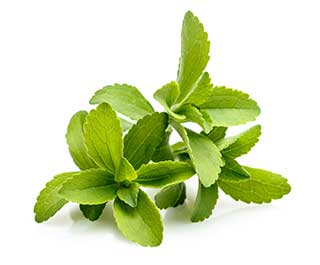
Stevia (Stevia rebaudiana) is a sweet-tasting plant originating from South America.4 It has been used for over 1,500 years to sweeten the foods in South American cuisine, and was eventually introduced to the modern world in the late 1800s by Moises Santiago Bertoni, an Italian botanist.5,6
Commonly known as ka'a he'e (sweet herb) by the native people,7 stevia has been used in various ways aside from cooking. Examples include treatment for burns, colic and stomach problems. Sometimes, the leaves themselves were consumed directly as a treat.8 Today, stevia is one of the main options in the sugar substitute market.
How Does Stevia Compare to Other Sweeteners?
Stevia is one of the most popular natural sweeteners used today. As such, people compare it to similar products to decide which one is the best for them. Here's how stevia stacks up to other sweeteners:
- Stevia vs. sugar — Stevia is undoubtedly a better choice than sugar because aside from sweetening your foods, it has various potential benefits to your health (more on this later). On the other hand, refined sugar, which is found in many products today, can endanger your health because excess consumption can lead to obesity and diabetes.9
- Stevia vs. truvia — Truvia is one of America's most popular alternative sweeteners. It is mainly derived from the stevia plant, but it also contains other ingredients that may ultimately compromise your health. In fact, its manufacturer Cargill has been the subject of numerous lawsuits for marketing truvia as a "natural" product.10 And despite being made from the stevia plant, it has no steviosides, which are the compounds linked to stevia's health benefits. You're better off using certified organic stevia extract instead.11
- Stevia vs. Splenda — Similar to Truvia, Splenda may actually be harmful to your health. Research has found that sucralose, a key ingredient in Splenda, has been linked to altered glucose and insulin levels in humans,12 as well as possibly playing a role in certain cancers according to an animal study.13
- Stevia vs. xylitol — Xylitol is a sweetener derived from sugar alcohol (polyols), which is a hybrid of a sugar and an alcohol molecule.14 Side effects such as gas, bloating and diarrhea have been reported as well.15 Stevia, on the other hand, is a better option because it is naturally sweet and does not cause side effects.
Stevia vs. raw honey — Compared to other sweeteners mentioned in this list, raw honey may actually be beneficial to your health. Research has found that it has antimicrobial properties that may help reduce the risk for infections,16 as well as antioxidants that may help fight free radicals throughout your system.17
Is raw honey better than stevia? The answer depends on your needs. If you're just sweetening your food, stevia will do. However, if you need more nutrients because you're dealing with inflammation, raw honey may help.
Potential Health Benefits of Stevia
Stevia has been extensively studied, and experts have found that it may benefit your health in various ways. Here are some of the advantages of using stevia:
- Helps manage diabetes — The glycosides of stevia are broken down and absorbed by the bacteria in the colon instead of being absorbed into the bloodstream. This helps prevent blood sugar spikes, which may benefit diabetics.18
- Promotes healthy weight — Stevia is a zero-calorie food, which can help with weight management in the long run. In other words, replacing sugar with stevia can lower your caloric consumption.19
- Helps regulate blood pressure — The various glycosides in stevia can help relax blood vessels, as well as increase urination to help eliminate excess sodium from the body. In turn, these actions may protect your heart by maintaining normal blood pressure.20
- Promotes oral health — Stevia has been found to have antimicrobial properties. This may help maintain a healthy mouth by reducing your risk of cavities and gingivitis.21
- Helps keep bones strong — According to one animal study, stevia may help promote healthy bones. Researchers discovered that chickens who ate animal feed mixed with stevia had a lower ratio of broken eggs compared to chickens who consumed normal animal feed only.22
How to Use Stevia in Different Ways
Stevia is mainly used as a natural sweetener in foods that traditionally use sugar. This allows people to minimize the risks of developing diabetes-related problems caused by having high blood sugar levels. If you're inexperienced with stevia, here are two ways you can make use of this plant:23
- Add it to beverages such as lemonade and tea
- Sweeten marinades and sauces, such as barbecue sauce
Its Side Effects Are Practically Non-Existent
While stevia may be sweet, it won't pose any danger to your health. In Japan, stevia products have been consumed for decades and there are no reported side effects. According to a study in Sugar Tech:24
"Few substances have ever yielded such consistently negative results in toxicity trials as have stevia. Almost every toxicity test imaginable has been performed on stevia extract (concentrate) or stevioside at one time or another. The results are always negative."
Stevia Recipe: Dr. Mercola's Macadamia Nut Fudge
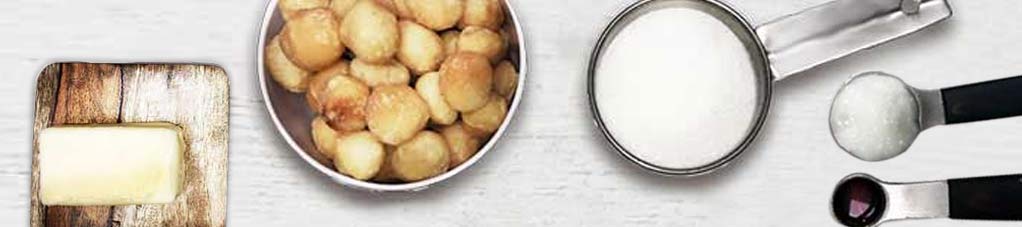
If you haven't used stevia before, I encourage you to try my Macadamia Nut Fudge recipe, which is not only sweet, but contains a generous serving of healthy fats to help boost your well-being:
|
Ingredients:
|
|
✓ 300 grams of cocoa butter
|
✓ 200 grams of Dr. Mercola's coconut oil
|
✓ 200 grams of raw, organic pastured butter
|
|
✓ 300 grams of macadamia nuts
|
✓ 8 full droppers of stevia
|
✓ 1 teaspoon Dr. Mercola's organic vanilla extract
|
Procedure:
- Mix the butters and oils under low heat for three to five minutes.
- Once the mixture cools, add the stevia drops and vanilla extract.
- Pour the fudge into 8-ounce wide ball jars.
- Spread the nuts evenly across all jars.
- Refrigerate until the fudge reaches the desired consistency.
Nutrition Facts About Stevia
Stevia is 200 times sweeter than sugar.25 It contains unique glycosides, such as stevioside, rebaudioside-A, rebaudioside-C and dulcoside-A. According to a 2017 study, it has "minor glycosides, such as rebaudioside-B, rebaudioside-C (12%), rebaudioside- D, rebaudioside-E, rebaudioside-F, dulcoside-A, dulcoside-C and steviolbioside, as well as flavonoid glycosides, coumarins, cinnamic acids, phenylpropanoids and some essential oils."26
Stevia Is a Viable Sugar Alternative, but Use It Moderately
Substituting sugar with stevia may help improve the nutritional profile of your favorite food and beverages, allowing you to enjoy them regularly without causing health problems. However, if you have problems with insulin resistance, I suggest that you avoid all forms of sweeteners including stevia, as they can decrease your sensitivity to insulin and put you at risk of obesity and diabetes. Furthermore, try to limit your sugar consumption to 25 grams or less per day from all sources, including fruits.
To help curb sweet cravings, I strongly recommend drinking organic black coffee or consuming fermented vegetables. Fermented foods in particular not only helps reduce the desire to eat something sweet due to their sour flavor, but also contains probiotics and fiber that may help promote better health.
Frequently Asked Questions About Stevia
Q: Is stevia bad for you?
A: Research has shown that long-term consumption of stevia may not pose any threat to your health.27 However, those who have issues with insulin resistance must avoid any form of sweetener altogether, as well as limit sugar intake from all sources, including fruits, to 25 grams per day or less.
Q: Is stevia good for you?
A: Evidence has shown that stevia may be helpful for managing diabetes,28 promoting healthy weight29 and maintaining blood pressure.30
Q: What is liquid stevia?
A: Liquid stevia is a type of product derived from the stevia plant, and is usually added to foods via a dropper. Other forms include powder or the natural (leaf) version.31
Q: Does stevia cause weight gain?
A: No. On the contrary, stevia may help promote weight loss, since it's a no-calorie food. Using it in place of sugar can help reduce your caloric intake, which may help with weight management in the long run.32
Q: Is stevia an artificial sweetener?
A: No, stevia is a natural sweetener because the flavor comes directly from the plant. Artificial sweeteners are made using sugar substitutes, such as acesulfame potassium.33
Q: What is stevia leaf extract?
A: This is an extract made by steeping the dried leaves in hot water and then filtering and centrifuging the liquid to extract the sweetness from the leaves.34