-
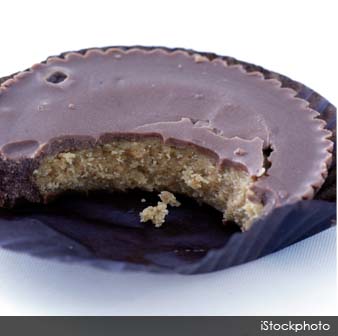
Candy, especially chocolate
- Chocolate is toxic to both cats and dogs, and the darker the chocolate, the more toxic. Chocolate contains a caffeine-like stimulant substance that when ingested by your pet can cause vomiting, diarrhea, hyperactivity, racing pulse and seizures.
Candy in general is a problem for pets because it's loaded with sugar and fat, which can lead to serious GI issues and pancreatitis.
-
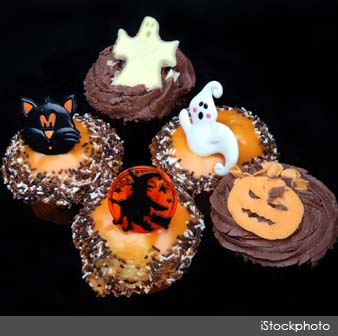
Halloween goodies containing xylitol
- Xylitol is a sugar substitute that is showing up in all kinds of products, including sugar-free candy, gum, mints and baked goods.
A small amount of xylitol can cause a rapid and dangerous blood sugar drop in dogs, as well as acute liver failure. Xylitol's effect on cats is not known, but I would recommend keeping it far away from kitties as well.
-
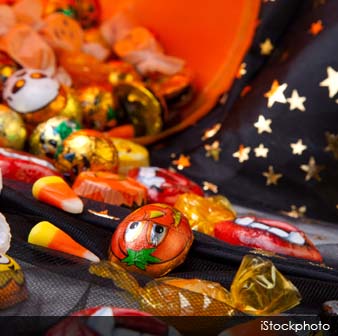
Candy wrappers
- Empty candy wrappers smell like what was in them, which can entice your pet. If your dog or cat eats foil or cellophane candy wrappers, the result can be a life-threatening bowel obstruction requiring surgery.
-
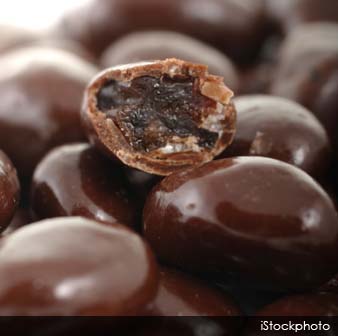
Raisins
- Some well-meaning folks hand out those tiny boxes of raisins instead of candy on Halloween. Or small bags of trail mix containing raisins.
Unfortunately, raisins are toxic to dogs and cats and can potentially cause kidney failure in very small amounts. Chocolate covered raisins pose an even bigger risk.
-
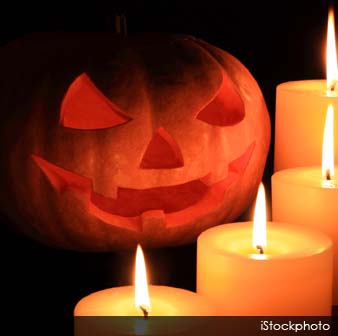
Jack-O-Lanterns and candles
- These are fire hazards... especially when a fearful cat jumps on or over a table decorated with lit candles... or an excited dog crashes into a carved pumpkin.
Make sure all these types of hazards are well outside your pet's reach.
-
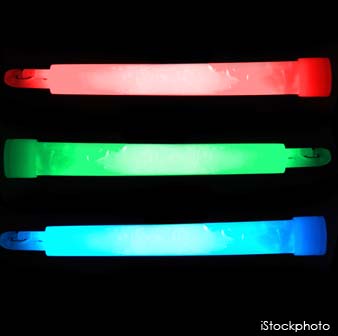
Glow sticks and glow-in-the-dark jewelry
- These items have increased in popularity the last few years, and pets — especially cats — love to gnaw on them. The substance that creates the glow is actually phenol, which can leak out and burn your pet's tongue. Choking is another concern.
-
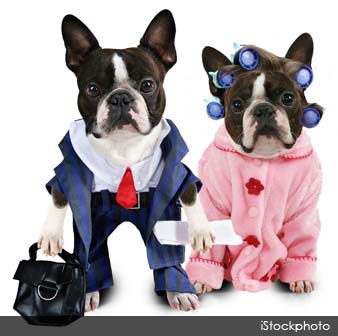
Pet costumes
- Costumes can be hazardous to your pet's health. Depending on the outfit, the temperature, and the type of fur on your furry companion, it's easier than you might think for him to overheat inside that costume. Pets have also been injured when their range of motion, vision or hearing is restricted by a costume. Injuries also occur when pets try frantically to remove a costume. Buttons, bows and other small accessories can be pulled off and choked on or swallowed.
-
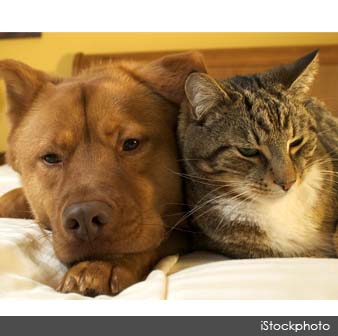
Stress from a constantly ringing
doorbell, knocks at the door, strangers at the door
- Some pets become anxious, fearful or even aggressive at the sound of the doorbell, the door knocker, or when visitors are at the front door. If your pet tends to find these things stressful, it's best to secure her in quiet, safe spot before the little ghouls and goblins appear at your door.
-
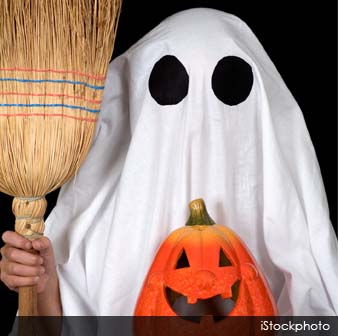
People wearing scary costumes
- Some pets become very fearful or aggressive at the sight of certain Halloween costumes. If you suspect your dog or cat might be one of them, I recommend you take precautions to keep your pet and trick-or-treaters safe.
-
Opportunity to escape out an open
front door
- Many shelters experience an increase in lost pets in the days following Halloween. The front door opening and closing for trick-or-treaters, coupled with the over-stimulation of the evening, can be a recipe for a lost pet.
Make sure your pet's ID tag and microchip, if applicable, are up-to-date. And take necessary precautions to prevent your pet from bolting out the front door and into the night.









