-
 Vitamin D
- Research has shown that those with higher levels of vitamin D are more likely to have longer telomeres, and vice versa. This means that people with higher levels of vitamin D may actually age more slowly than people with lower levels of vitamin D.
-
 Astaxanthin
- In a 2009 study on multivitamin use and telomere length, longer telomeres were associated with the use of antioxidant formulas. According to the authors, telomeres are particularly vulnerable to oxidative stress. Additionally, inflammation induces oxidative stress and lowers the activity of telomerase, the enzyme responsible for maintaining telomeres. Astaxanthin has emerged as one of the most potent and beneficial antioxidants currently known, with potent anti-inflammatory and DNA-protective capabilities.
-
 Krill
Krill- Research has shown that those who have an omega-3 index of less than four percent age faster than those with indexes above eight percent. Therefore, your omega-3 index may also be an effective marker of your rate of aging. One of the central anti-aging theories relating to telomeres is to try to activate the enzyme telomerase, to actually increase the telomeres' length and essentially reverse aging, and omega-3 fats appear to play a role in activating this enzyme.
-
 Ubiquinol
- Premature aging is one primary side effect of having too little CoQ10 because this essential vitamin recycles other antioxidants, such as vitamin C and E. CoQ10 deficiency also accelerates DNA damage, and because CoQ10 is beneficial to heart health and muscle function this depletion leads to fatigue, muscle weakness, soreness and eventually heart failure.
-
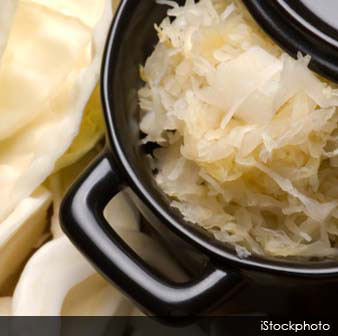 Probiotics (fermented veggies)
- Processed foods, high in sugar and other chemicals, effectively destroy your intestinal microflora. Your gut flora has incredible power over your immune system, and by damaging your body's natural defense system, you're predisposing yourself to illness and premature aging. Ideally, you'll want to make traditionally cultured and fermented foods a staple in your daily diet, in order to optimize your gut flora. Fermented vegetables are an excellent alternative as they are both delicious and simple to make at home.
-
 Polyphenols
- Polyphenols are potent antioxidant compounds in plant foods, many of which have been linked to anti-aging benefits and disease reduction. Examples include resveratrol from Muscadine grapes, raw organic cacao, and green tea.
-
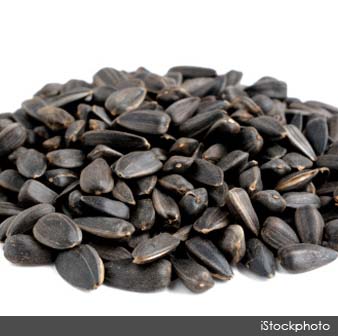 Folate
- Plasma concentrations of the B vitamin folate corresponds to telomere length, and folate plays an important role in the maintenance of DNA integrity and DNA methylation, both of which influence the length of your telomeres.
-
 Vitamin B12
- Vitamin B12 is fittingly known as "the energy vitamin," and your body requires it for a number of vital functions. Among them: energy production, blood formation, DNA synthesis, and myelin formation.
-
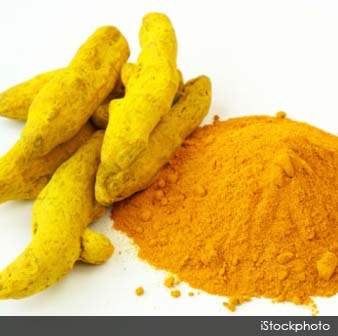 Curcumin
- Curcumin—the active ingredient in the Indian spice turmeric—affects over 100 different pathways once it gets into a cell; among them, a key biological pathway needed for development of melanoma and other cancers.
-
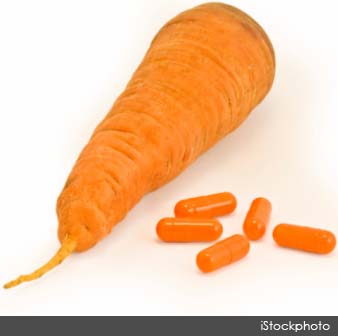 Vitamin A
- Research suggests that telomere length is positively associated with dietary intake of vitamin A in women who do not take multivitamins. It plays an important role in your immune response, and if you're deficient, you can become predisposed to infections that can promote telomere shortening. However, vitamin A does not appear to have a dose-dependent effect on telomere length, so you don't need high amounts.
-
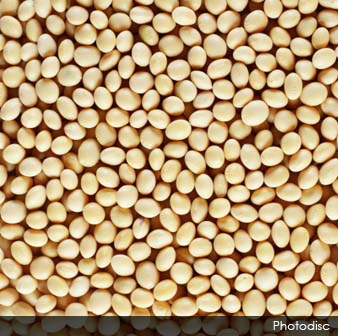 Vitamin K2
- While most people get enough vitamin K from their diets to maintain adequate blood clotting, they're not getting enough to offer protection against more serious health problems, such as cardiovascular health and cancer. Research suggest vitamin K2 can provide substantial protection from prostate cancer, which is one of the leading causes of cancer among men in the United States.
-
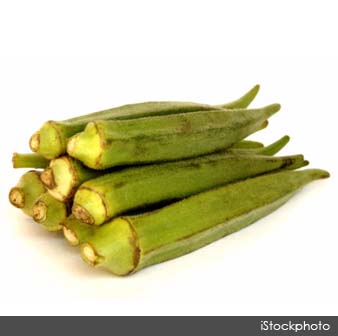 Magnesium
- Magnesium is believed to influence telomere length by affecting DNA integrity and repair, in addition to its potential role in oxidative stress and inflammation.











