-
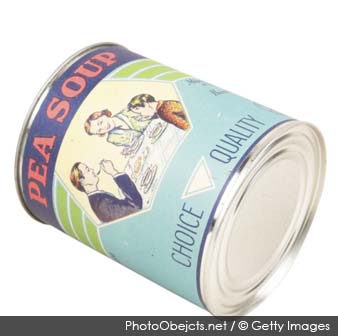 Canned soup
- Canned soup typically contains large amounts of processed salt, additives, MSG, and genetically engineered ingredients. Many companies also still use cans with bisphenol-A (BPA) in the lining. This plastic chemical has been identified as a potent endocrine disruptor, which means it can mimics or interfere with your body's hormones and "disrupt" your endocrine system. Making home-made soup is easy to learn and ensures you know exactly what's in it.
-
 Stock and bouillon
- Stock and bouillon is even easier to make from scratch than soup. Instead of composting potato peels, onion skins, leek tops, and eggplant stems, freeze them and make stock when you have enough.
-
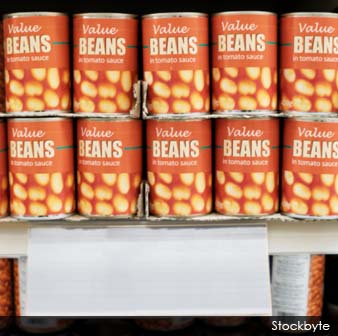 Canned beans
- Beans taste better, and are better for you, if you buy them dried and prepare them at home. Just like canned soup, canned beans (as well as other canned vegetables) may be tainted with BPA from the can liner. They are also typically cooked at very high heat for short periods of time, which is not as good as cooking them longer at lower temperatures.
-
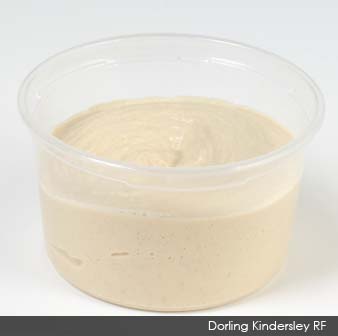 Hummus
- Hummus takes just minutes to make, using fresh chickpeas. Plus you can season to taste.
-
 Breakfast cereal
- Nearly all cereals are a combination of high-fructose corn syrup and genetically engineered corn. You can make a healthier version like muesli in a matter of minutes, and feel good about knowing you're not eating a bowl of sugar for breakfast. When stored in an airtight container, your home-made muesli can also stay fresh for months, even without all the preservatives.
-
 Microwave popcorn
- Perfluorooctanoic acid (PFOA) is used in the liner of microwave popcorn bags, which can leache into the popcorn when heated. PFOAs have been linked to infertility and other health problems. Popping popcorn "from scratch" on the stove is simple, and gives you the option to salt and season to taste. You can use tasty and nutritious Himalayan Pink salt instead of that processed stuff, and far healthier oil like coconut oil.
-
 Bottled water and "functional" waters.
- In addition to artificial sweeteners and dyes, so-called "enhanced" water products can contain enormous amounts of sugar and genetically engineered (GE) high fructose corn syrup, adding to the numerous health problems caused by excessive fructose consumption and GE ingredients. Additionally, there's all that plastic trash being generated... Your best bet for clean, pure water is to install a high quality water filter for your tap, or better yet, your entire home.
-
 Fruit and vegetable juice
- Fruit juices are far worse than vegetable juice and should be avoided as it is far better to eat the whole unprocessed fruit. While labels promise the contents are "100 percent juice," there's virtually no such thing when you're buying commercial juice. Not only does the flavor come courtesy of professional flavor and fragrance chemists, fruit juice is also notoriously high in fructose, whether it's from added high fructose corn syrup or naturally-occurring fructose in the fruit.
-
 Yogurt
- Kefir or traditionally fermented yogurt is chock full of healthful bacteria (probiotics). In ancient times, food preservation was accomplished through lacto-fermentation, a process that adds a host of beneficial micro-organisms to food. This makes them easier to digest, and increases the healthy flora in your intestinal tract. But don't expect to be able to pick up the real deal in your local supermarket. Pasteurized products will not provide you with these health benefits, as the pasteurization process destroys most of the precious enzymes and other nutrients. Fortunately, kefir or fermented yogurt is both easy and inexpensive to make at home.
-
 Fermented vegetables
- Cultured or fermented foods have a long history in virtually all native diets, and have always been highly prized for their health benefits. The culturing process produces beneficial microbes that are extremely important for human health as they help balance your intestinal flora, thereby boosting overall immunity. Fermented foods are also some of the best chelators and detox agents available, meaning they can help rid your body of a wide variety of toxins, including heavy metals. While you may be able to find fermented vegetables for sale in your local supermarket, you're much better off culturing them at home—it's both easy and far less expensive.









