-
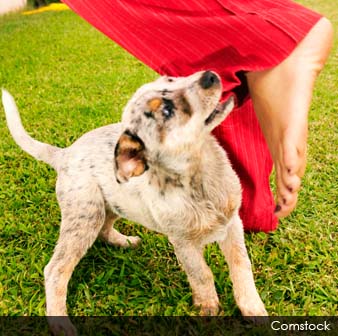
DON'T: Continue playing with an aggressive
puppy.
- Stop playing immediately if your puppy is being aggressive with you personally. If he's hurt you with his teeth or claws, say a word like "Ouch!" loudly to let him know you don't approve of the behavior.
-
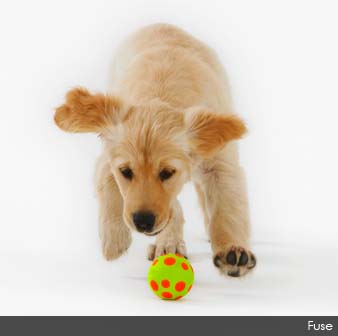
DO: Distract an aggressively behaving pup
with a toy.
-
Any toy will do (except a toy that actually brings out his aggressiveness).
-
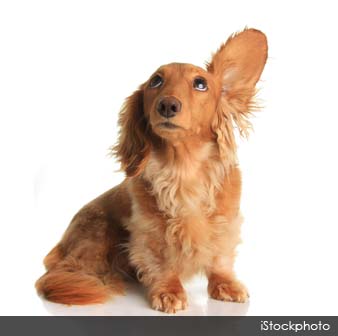
DO: Use a harmless spray of water or loud
noise to disrupt bad behavior.
- Remember — the idea is to simply halt the behavior, not create a fear response.
-
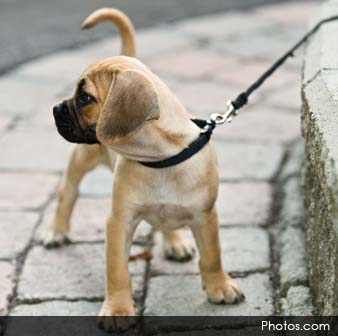
DO: Use a leash and/or head halter to
control behavior.
- This can be done during supervised play either indoors or out. Remember to use gentle pressure during corrections to avoid causing injury to your puppy's neck.
-
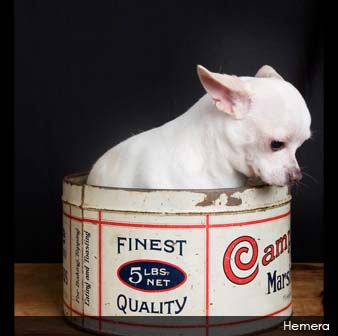
DON'T: Act aggressively yourself.
- Don't try to manage your puppy's aggressive behavior by acting aggressively yourself. It's never appropriate or productive to hit or shake a puppy, or grab his muzzle.
If your pup won't stop the undesirable behavior despite your best efforts, put him in his crate or another area of the house with a toy until he settles down.
-
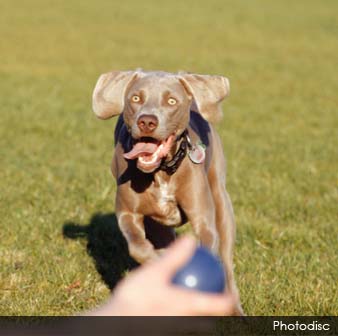
DO: Engage in retrieving games.
- A game of fetch doesn't have to be strenuous or time consuming for you, and your puppy will tire out within a few minutes. If retrieving doesn't come naturally to your dog, incorporate treats into the game to reward her for returning the ball or Frisbee to you each time it's thrown.
-

DO: Keep your puppy mentally stimulated.
- A rubber treat-release toy, a puzzle toy, group activities like K9 nose work and other similar pursuits will exercise your dog's mind and keep boredom at bay.
-
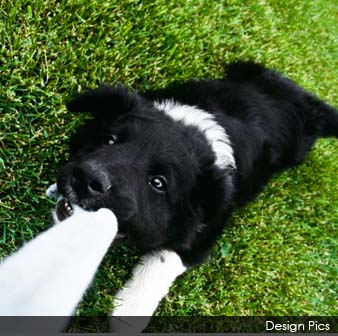
DON'T: Play on the floor.
- Being down on her level puts you in a vulnerable spot and can overexcite your pup, making her more apt to mouth you, pounce on you, or scratch you.
-
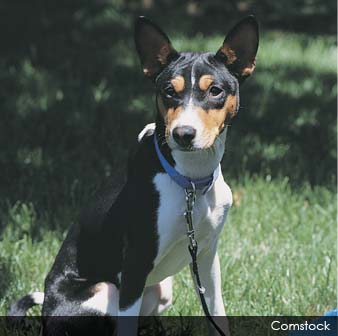
DO: Incorporate basic obedience training
into playtime.
- Have her sit and stay as part of your interaction with her. Make sure treats are used to reward a particular behavior and aren't given "just because." Only engage with your puppy when she's following your lead. If she tries to take over, ignore her for a few seconds. Take care not to reward any behavior you don't wish to encourage.
-
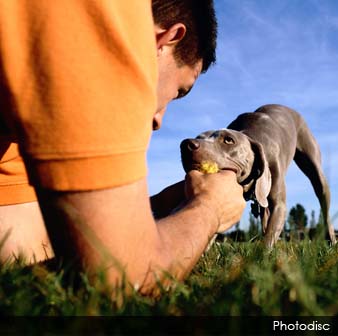
DON'T: Mimic your puppy's behavior
during play.
- In other words, don't play with your dog as another dog would. Dogs play rough, and your pup could unintentionally hurt you. As a general rule, it's not a good idea to wrestle or get physical with your dog. You might inadvertently encourage aggressive behavior, and in addition, it's best to remain in a leadership role whenever you interact with her.









