The Goodness of
Grass Fed Beef
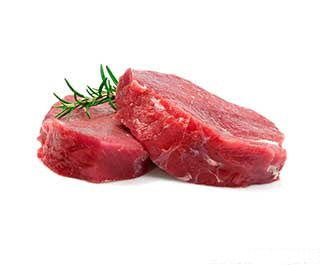
Purchasing meat typically involves an initial check of its price, but not everyone is this inquisitive when it comes to its nutritional content and freshness. Fortunately, the option of grass fed beef is continuously gaining momentum as more people begin to experience the benefits this type of beef offers to human health and the environment.
Continue reading to learn what grass fed beef is, how it stacks up against typical beef and where you can find the best sources of high-quality meats in your area.
Why You Should Consider Grass Fed Beef
Grass fed beef comes from cows that are allowed to graze on pasture and consume their natural diet of grass. This situation is different from cows raised in concentrated animal feeding operations (CAFOs), which are fed a processed diet containing grains and even growth-promoting drugs.1
Organic grass fed beef production requires more effort and attention to detail, as ranchers have to follow strict guidelines that will ensure the freshness and quality of the meat.
Because grass fed cows are grown in conditions that are more humane, the meat's quality is superior to conventional beef. The meat also tends to be loaded with more nutrients, without the risks attributed to harmful pathogens that are found in conventional beef (more on this later).
Positive long-term effects of grass fed beef production on the environment must be emphasized, too. A study published in the Proceedings of the National Academy of Sciences of the United States of America sought to discover the benefits of organic versus conventional farming under four key sustainability metrics: productivity, environmental impact, economic viability and social well-being.2
Researchers analyzed data that emerged in the past 40 years, and the results highlighted these positive effects connected to organic farms:3
- More profitable and can earn farmers anywhere from 22% to 35% more compared to their conventional counterparts
- More environmentally friendly
- Able to produce equally or more nutritious foods with fewer or no pesticide residues
- Can provide unique benefits to the ecosystem
- Can deliver social benefits by promoting social interactions
Health Benefits of Grass Fed Beef
Regular beef already contains certain nutrients that are beneficial to you. However, grass fed beef goes above and beyond in terms of nutrition, possessing these important components:
- Lower fat levels4
- Higher levels of beta-carotene5
- Higher amounts of minerals like calcium, magnesium and potassium, alongside other minerals like iron, zinc, selenium and phosphorus6
- Higher portions of total omega-3 fatty acids
- Higher amounts of conjugated linoleic acid (CLA or cis-9 trans-11),7 a potential cancer fighter8
- Higher amounts of vaccenic acid that can be transformed into CLA9
- A healthier ratio of omega-6 to omega-3 fatty acids10
Meat' Your Match: Grass Fed Beef vs. Grain Fed Beef
The benefits of grass fed beef do not end with its high nutritional content. If you're still not convinced why beef from grass fed cows is better, take note of these key points:
- Humane growing methods — Grass fed cows consume their natural diet of grass, since they have been allowed to graze on grasslands during their lifetime. A grass-rich diet consequently boosts the cow's health and the quality of meat.
Meanwhile, cows in profit-hungry CAFOs are fattened for slaughter by being fed artificial diets that contained grains, corn, soy, growth-promoting drugs and antibiotics. Eventually, this diet alters the bacterial balance and composition in the animal's gut, resulting in meat that's tainted with potentially health-damaging bacteria.11
- Greater fatty acid composition — As mentioned earlier, grass fed beef contains higher ratios of healthy fats like vaccenic acid, conjugated linoleic acid and omega-3 fatty acids, compared to grain fed cows.
- Lower risk of bacterial infections — Overcrowding of cows in CAFOs is a very common situation that may lead to increased bacterial contamination. Samples of CAFO-grown beef revealed traces of antibiotic-resistant bacteria that may have contributed to the increasing number of antibiotic-resistant disease cases being reported.12
Consumer Reports examined 300 samples of conventionally raised and sustainably produced (including grass fed) ground beef to see if there were traces of five types of disease-causing bacteria: Clostridium perfringens, Salmonella, Enterococcus, Staphylococcus aureus and E.coli (including O157 and six other toxin-producing strains).13
The beef also underwent secondary testing to check if the bacteria in meat were resistant to antibiotics used in human medicine. The results showed that:14
- All of the ground beef samples contained bacteria linked to fecal contamination (enterococcus and/or nontoxin-producing E. coli). These can lead to blood or urinary tract infections in humans.
- Nearly 20% of the samples contained Clostridium perfringens, which is responsible for nearly a million food poisoning cases in the U.S. annually.
- 10% of the samples had a toxin-producing strain of Staphylococcus aureus, which unfortunately, cannot be destroyed even with thorough cooking.
- 1% of the samples contained salmonella that causes an estimated 1.2 million illnesses and 450 deaths in the U.S. per year.
- Three conventional beef samples showed traces of methicillin-resistant Staphylococcus aureus (MRSA), a bacteria strain linked to nearly 20,000 deaths per year, according to 2017 data.15 Meanwhile, none of the sustainably raised beef samples contained this bacteria strain.
Take a look at this chart to learn more about grass fed beef's nutritional value:16
Grass Fed Beef Nutrition Facts
Serving Size: 100 grams, beef, grass-fed, ground, raw
| Calories |
198 |
|
| Total Fat |
12.73 g |
|
| Saturated Fat |
5.335 g |
|
| Trans Fat |
|
|
| Cholesterol |
62 mg |
|
| Sodium |
68 mg |
|
| Total Carbohydrates |
0 g |
|
| Dietary Fiber |
0 g |
|
| Sugar |
0 g |
|
| Protein |
19.42 g |
|
| Calcium 12 mg |
Iron |
1.99 mg |
How Do You Cook Grass Fed Beef?
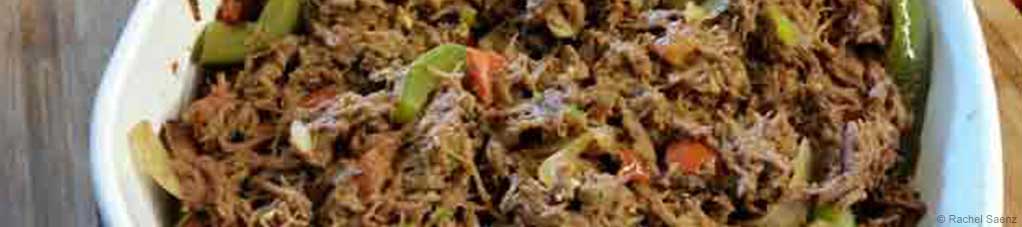
Grass fed beef is a versatile protein that can be cooked in many ways. There is virtually no shortage of grass fed beef recipes that you can make. One healthy and delicious example is this Shredded Beef Recipe:
Grass Fed Beef Recipe:
Shredded Beef
|
Ingredients:
|
|
✓ 2 pounds grass fed beef stew chunks
|
✓ 2 cups homemade beef broth
|
✓ 1 small onion, sliced
|
✓ 2 green peppers, sliced
|
|
✓ 4 tomatoes, diced
|
✓ 2 cloves of garlic, minced
|
✓ 1 tablespoon Dr. Mercola's coconut oil
|
✓ 1/2 teaspoon Dr. Mercola's Himalayan salt
|
|
✓ 1/2 teaspoon freshly ground pepper
|
✓ Optional: 1 to 2 serrano peppers, diced
|
|
|
Procedure:
- Place beef in a Dutch oven. Season with salt and pepper and add beef broth. Cover and cook over low heat for approximately 1 1/2 to 2 hours, until it's soft and easy to shred. Keep an eye on the beef while cooking. If all the broth is absorbed, add about 1 cup of water to prevent burning.
- Remove beef from the Dutch oven, reserve leftover juices. Shred beef using two forks.
- Add coconut oil to the Dutch oven and place over medium-low heat. Add onions, green peppers, tomatoes, serrano peppers and garlic. Cook until the onions have softened and juices from tomatoes have rendered, about 5 to 10 minutes.
- Serve with quinoa.
This recipe makes 8 servings.
Note: If you'd like to make this dish spicier, add more serrano peppers. If you do not wish to have it spicy, omit the serrano peppers.
(Recipe from Rachel Saenz)
Where Can I Buy Grass Fed Beef?
If you're worried that you won't be able to buy grass fed beef in your area, don't fret. Due to the increasing demand for grass fed beef, more businesses are aiming to provide healthier options for customers.
You can obtain authentic grass fed beef by contacting a trusted local rancher and buying the meat directly from their farm. Many ranchers have smaller and cleaner organic and biodynamic farms where cows aren't crowded. This leads to a lower possibility of the animals harboring pathogens that can contaminate the meat.
You can contact organic ranchers online as an alternative solution if you don't have access to a local rancher near you.
There are also grocery chains that have responded to consumers' demand for grass fed beef, so there's likely to be a small assortment of grass fed beef at your local grocery store or health store. Some stores like Publix can even stock specialty items at the request of a customer.
When purchasing beef at supermarkets or groceries, look for products that are certified grass fed by the American Grassfed Association (AGA). Compared to previous standards set by the USDA's Agricultural Marketing Service (AMS), AGA's guidelines are more comprehensive and more stringent. The presence of the AGA logo can essentially guarantee that the meat came from cows that:17
- Have been fed a 100% forage diet
- Have never been confined in a feedlot
- Have never received antibiotics or hormones
- Were born and raised on American family farms, as a vast majority of grass fed meats sold in grocery stores are imported and lack country of origin labeling (COOL), so there's no guarantee where the meat came from or what standards were followed
AGA's grass fed label is considered the most trustworthy, since no other grass fed certification delivers the same comprehensive assurance as this label. Even better, no other grass fed program guarantees compliance using third-party audits like AGA. You can also check out these organizations in the U.S. that can help you locate grass fed beef and other organically grown produce:
|
✓ Grassfed Exchange: Provides a list of producers selling organic and grass fed meats across the U.S.
|
✓ Community Involved in Sustaining Agriculture (CISA): This organization is dedicated to sustaining agriculture and promoting the products of small farms.
|
|
✓ Local Harvest: This website locates farmers markets, family farms and sources of sustainably grown food in your area where you can buy grass fed meats.
|
✓ FoodRoutes: FoodRoutes’ “Find Good Food” map may help you contact local farmers to find fresh and tasty food. Their interactive map features a listing for local farmers, CSAs and markets near you.
|
|
✓ Farmers’ Markets: A national listing of farmers markets.
|
✓ The Cornucopia Institute: This organization maintains a set of web-based tools that rate all certified organic brands of eggs, dairy products and other commodities that are based on their ethical sourcing and authentic farming practices that separate CAFO “organic” production from authentic organic practices.
|
|
✓ Eat Well Guide: Wholesome Food from Healthy Animals: The Eat Well Guide is a free online directory of sustainably raised meat, poultry, dairy and eggs from farms, stores, restaurants, inns and hotels and online outlets in the U.S. and Canada.
|